Creating the Future, One App at a Time
Highlights from the Wiseburn Middle School AI Hackathon
Sponsored by the Wiseburn Education Foundation
If you’ve ever wondered what your child’s future with artificial intelligence will look like, here’s one reassuring answer:
It looks thoughtful.
It looks collaborative.
It looks human.
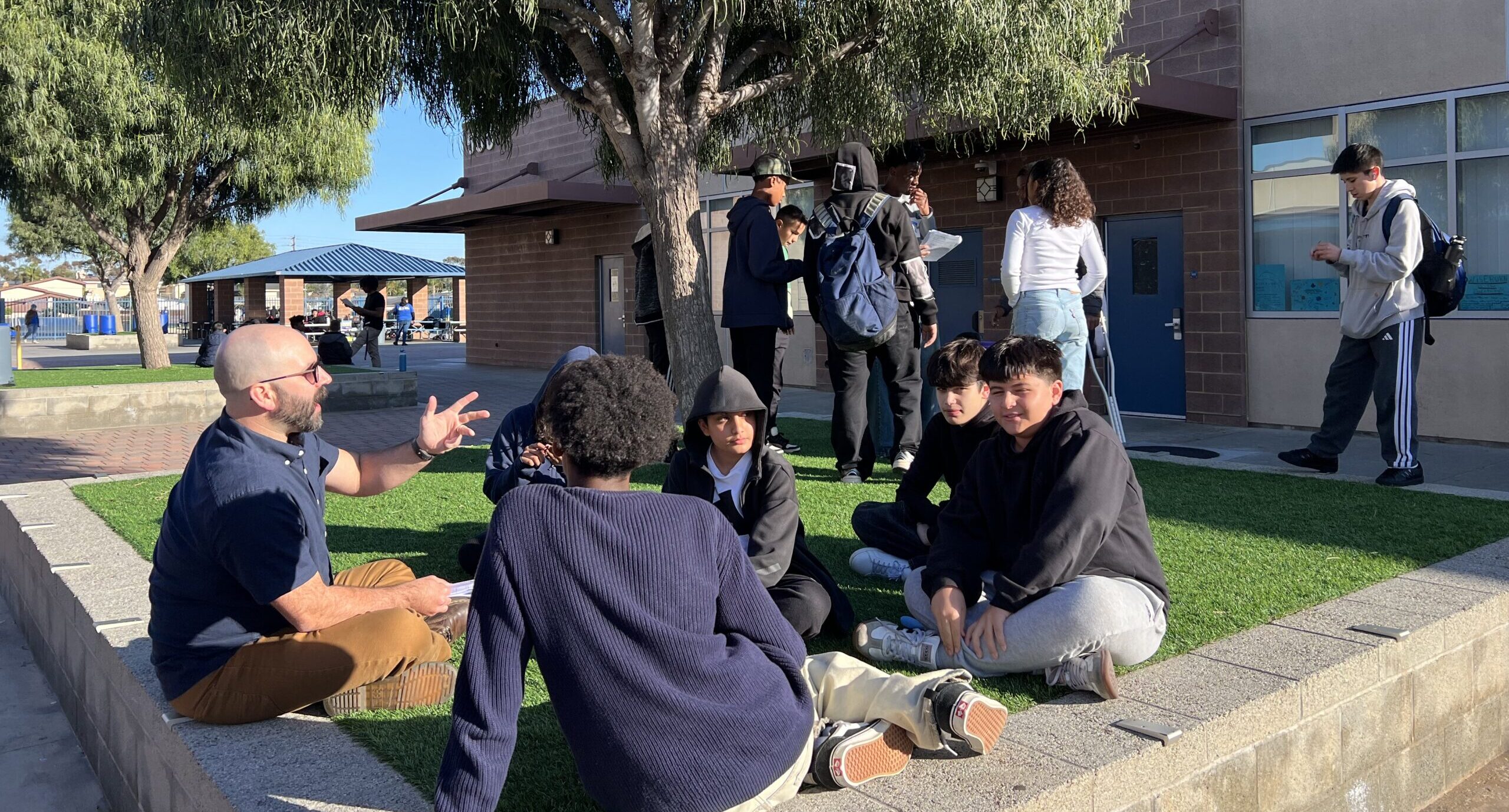
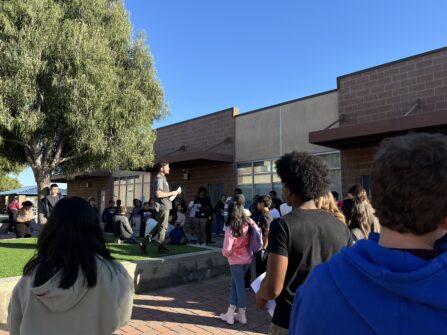
On February 20-21, 50 middle school students — 42 from Wiseburn Middle School and 8 from Da Vinci Connect — spent two full days doing something many adults haven’t yet tried — building their own AI applications from scratch.
But this wasn’t about flashy tech tricks or replacing humans with machines. Their mission was clear and grounded in values:
Design “Prosocial AI” — technology that strengthens human connection and helps solve real-world problems.
From Consumers to Creators
We often see young people scrolling, searching, and chatting with AI tools. At this hackathon, they flipped the script.
Instead of asking, “What can AI do for me?”
They asked, “How can I design AI to help others?”
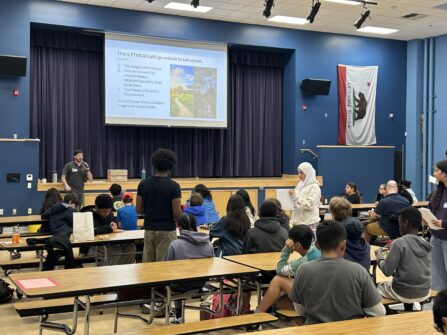
Students worked in teams to build custom AI chatbots that could:
- Help classmates prepare for tests
- Support responsible pet ownership
- Coach video game strategy
- Spark meaningful school conversations
- Address challenges they personally care about
By the end of the weekend, every student walked away with a fully functional AI tool they built themselves.
Building With a Moral Compass
Parents often ask: Is AI safe for kids? Is it ethical?
That question was at the center of everything.
The curriculum was rooted in The Rithm Project’s 5 Principles for Prosocial AI:
- Transparent Artificiality – Users should know they are interacting with AI.
- Productive Friction – AI shouldn’t replace thinking; it should strengthen it.
- Real-World Social Transfer – Skills should carry into real life.
- Cultural Affirmation – Tools should honor and reflect diverse communities.
- Harm Mitigation – Safety comes first.
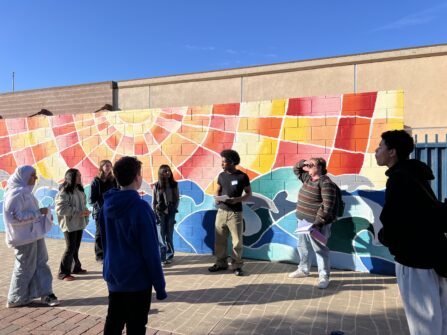
Students didn’t just talk about these ideas — they experienced them.
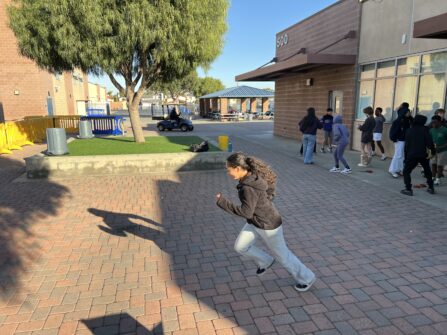
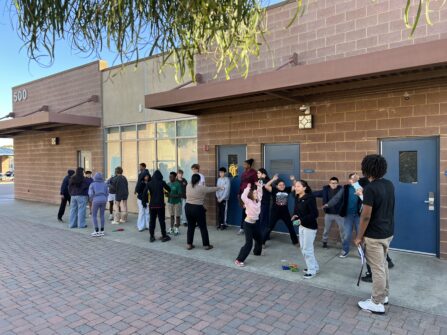
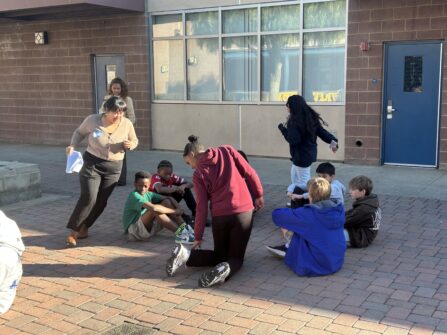
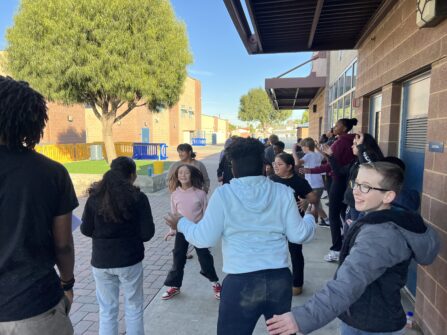
In the “Ripple Effect Race,” they physically acted out how one technological decision can create unintended consequences.
In the “Energy Tower Challenge,” they learned that AI isn’t magic — it’s math, computing power, and real-world energy use.
They began to understand something powerful: technology carries responsibility.
Learning the Language of AI
Technically, students leveled up — fast.
They moved beyond casual “lazy prompts” and learned true prompt engineering using the RTF framework:
- Role
- Task
- Format
More importantly, they followed a human-centered design cycle:
- Empathize with users
- Define real problems
- Build
- Test
- Iterate
They gave each other feedback. They troubleshot together. They failed forward.
And they improved — dramatically — over just two days.
A Safe Place to Experiment
All development took place on Playlab.ai, a Da Vinci partner and moderated platform that provided a protected sandbox for creativity while keeping user data secure. Students could explore boldly while families could feel confident about safety.
Student and adult mentors from Da Vinci Schools served as thinking partners and guides — modeling ethical AI use and helping students push through technical challenges. It wasn’t mentors doing the work. It was mentors asking questions and empowering the middle school students to think deeper.
Practice Before Passion
The journey was intentionally structured:
First, students remixed a “Chef Bot,” giving it personality and purpose. Then they tackled focused solo design challenges — like building a study buddy or pet advisor.
Once their confidence grew, the guardrails came off.
During the Independent Development Phase, students built original apps to solve problems they cared about — from academic stress to social connection.
By the end, each student had something concrete to show for their effort: an AI tool rooted in ethics and built with intention.
What This Means for Parents
It’s easy to worry about what AI will do to our children.
This weekend showed what children can do with AI.
They didn’t treat it like a toy.
They didn’t treat it like a shortcut.
They treated it like a tool — one that must be guided by human values.
They saw that artificial intelligence isn’t magic.
It’s math.
It’s design.
It’s decision-making.
And it’s in their hands.
When given the right framework and support, our students don’t use technology to disconnect.
They use it to lift each other up.
Architects of Tomorrow
The weekend concluded with a celebratory Awards Ceremony recognizing students for their technical persistence and leadership. But the true success of this hackathon wasn't found on a certificate.
These middle schoolers no longer view AI as a mysterious, untouchable force; they recognize it as a tool they have the power to direct toward the greater good. They proved that, when given an ethical framework and the right resources, our students will use technology to lift each other up.
Don't just take our word for it - come interact with the future they are building.
>> Visit our Digital Showcase Gallery to test out the fantastic apps created by our students!