Da Vinci Schools Takes Mastery-Based Learning to the National Stage
From meaningful feedback and reassessment to student agency in the age of AI, Da Vinci educators are helping shape the future of learning—at home and on the national stage.
What if a grade did more than summarize performance across homework, tests, and assignments? What if it also helped students understand what they know, what they can do, and how they can grow over time?
That’s the idea behind Mastery-Based Learning (MBL), an approach that puts student understanding, growth, and ownership at the center of the learning experience. At Da Vinci Schools, this work builds on our commitment to meaningful feedback, clear expectations, and learning experiences that respond to each student’s needs, providing opportunities for students to strengthen their understanding and demonstrate what they’ve learned.
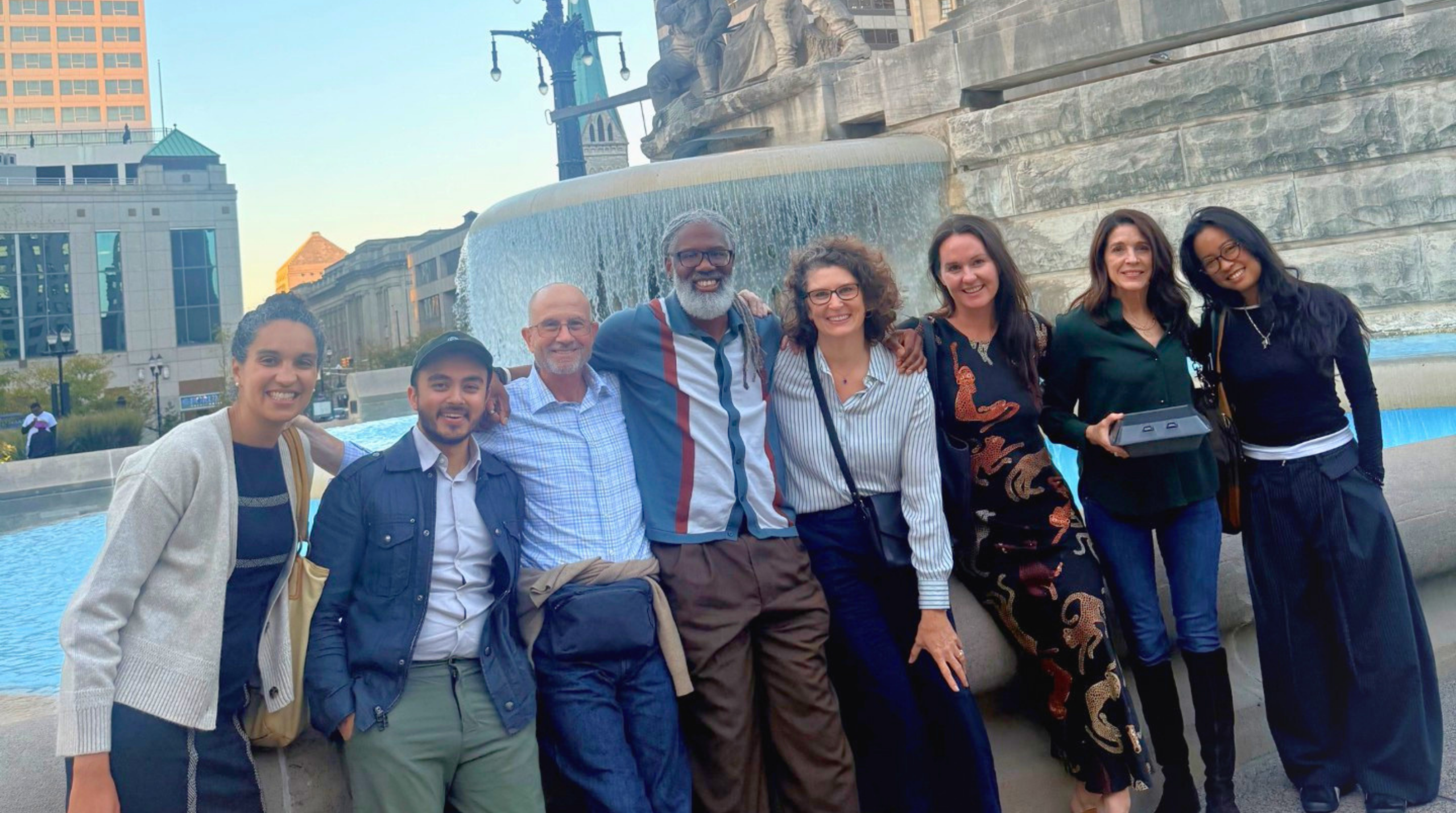
Recently, Da Vinci educators and leaders brought that work to the national stage at the FullScale Symposium in Indianapolis, joining educators and school leaders from across the country to share ideas, tackle common challenges, and explore what’s next in education.
Da Vinci Communications (DVC) was one of just 10 high schools selected for FullScale’s national study of competency-based learning. DVC educators Christopher Jackson and Thianne Le represented the school in a Design Lab, collaborating with peers from across the country to explore a question that resonates with educators and families alike: How can we help students, families, and staff understand mastery-based grading so that reassessment becomes an opportunity for deeper learning—not simply a way to improve a grade?
Michelle Rainey, Da Vinci’s Assistant Superintendent of Curriculum and Instruction, and Matt Wunder, CEO/Superintendent, also participated, sharing Da Vinci’s experiences and learning alongside national education leaders.
Beyond the Grade: What Is Mastery-Based Learning?
At its core, Mastery-Based Learning is built on a simple belief: Grades should reflect what students know and can do, and learning shouldn’t stop after the first attempt.
Da Vinci’s work initially focused on Mastery-Based Grading (MBG), emphasizing grades as accurate, meaningful measures of student understanding. As the work has evolved, we’ve embraced the broader term Mastery-Based Learning (MBL) to reflect its impact on the entire learning experience—from how educators design lessons and communicate expectations to how students receive feedback, reflect, and demonstrate growth.
In traditional grading systems, academic grades can combine subject knowledge with factors such as homework completion, participation, and deadlines. MBL aims to give students and families a clearer picture of academic progress by focusing on demonstrated understanding of specific skills and knowledge. At the same time, students are expected to meet responsibilities, manage their time, and remain accountable for their learning. MBL helps distinguish what students know and can do from the important habits and responsibilities they develop along the way.
What does that look like in practice? A student struggling with a mathematical concept might receive targeted feedback, practice the skill, and try again to demonstrate stronger understanding. The goal isn’t simply to earn more points. It’s to learn from feedback, build confidence, and develop lasting understanding.
What MBL Looks Like at Da Vinci
Mastery-Based Learning builds on practices that have long been central to Da Vinci’s educational model, including project-based learning, authentic assessment, student reflection, and opportunities to revise and improve work.
Across our schools, educators are working together to strengthen practices that help students understand what they’re learning and take an active role in their progress.
- Clear learning goals: Students know what they’re expected to learn and what success looks like.
- Meaningful feedback: Teachers help students recognize their strengths and identify opportunities for improvement.
- Multiple ways to demonstrate learning: Projects, presentations, assessments, and other experiences give students opportunities to show what they know.
- Revision and reassessment: Students use feedback, practice, and reflection to strengthen their understanding and demonstrate growth.
- Grades that reflect learning: Academic grades emphasize evidence of mastery, while students continue to develop accountability, responsibility, and productive learning habits.
Teacher leaders across Da Vinci are collaborating to build shared expectations and strengthen these practices. While implementation varies across schools and classrooms, the goal is consistent: make learning more transparent, meaningful, and responsive to students’ needs.
For Alyssa Armstrong, a mathematics teacher at Da Vinci Connect High`, MBL encourages students to move beyond memorizing information and toward understanding the reasoning behind it.
“Mastery-Based Learning allows students to reflect on a much deeper level of their true understanding of the material by allowing them to focus on the ‘why’ rather than just memorizing facts, rules, and data,” Armstrong explains.
By asking students to think critically, defend their responses, and justify their reasoning, Armstrong says the approach shifts more responsibility for learning to students. They learn to seek feedback, identify their strengths and areas for growth, and see mistakes as opportunities to learn.
Preparing Students for College, Career, and Life
One of the most important shifts in MBL is the change in how students think about success.
MBL shifts the focus from “What grade did I get?” to “What have I learned, and what do I need to work on next?”
That shift can help students develop persistence, self-reflection, problem-solving skills, and greater ownership of their learning. Students are still expected to take responsibility for their work, manage their time, meet expectations, and follow through on commitments. MBL reinforces that accountability and growth go hand in hand: Making a mistake doesn’t mean learning has stopped, but students are responsible for learning from feedback and taking the next steps toward mastery.
And MBL doesn’t mean lowering expectations. It means making expectations clearer and providing meaningful opportunities for students to meet them.
These habits matter well beyond the classroom. In college, careers, and everyday life, people must manage their time, meet commitments, take responsibility for their work, seek feedback, adapt to challenges, and continue building new skills. MBL gives students opportunities to practice these essential skills while working toward high academic expectations.
Steven Covelman, a U.S. history teacher at Da Vinci Communications, sees this connection to life beyond high school as central to the work.
“Mastery-Based Learning helps students become self-evaluative and gain a better understanding of what they need to improve upon,” Covelman says. “We believe that this is vital to helping students prepare for a life where they will need to be self-aware and seek feedback to grow as thriving adults.”
Student Agency in the Age of AI
Mastery-Based Learning is part of a broader conversation about preparing students to navigate a rapidly changing world—including one increasingly shaped by artificial intelligence.
At the symposium, Da Vinci joined Transcend Education, Red Bridge School, and Lindsay Unified School District for a session titled Designing for Student Agency in the Age of AI.
Building on practices at Da Vinci Connect TK–8, the session explored how schools can intentionally help students set goals, plan their work, reflect on progress, revise their approach, and take ownership of their learning. As AI makes information increasingly accessible, students’ ability to think critically, make decisions, evaluate their progress, and direct their own learning becomes even more important.
Brenda Kao, a teacher at Da Vinci Connect TK–8, describes student agency as helping students recognize that they have an active role in shaping their learning experience.
“Developing student agency in the classroom means students see the tangible impact that their mindset has on their learning. They set goals, create a plan, and reflect on their own growth towards the goal. Students co-create the classroom experience and build awareness around their abilities.”
Kao says this process strengthens executive functioning, encourages students to approach mistakes with compassion, and helps them recognize that their voices matter. Ultimately, she says, students are empowered to shape their own futures.
Da Vinci also contributed to a Momentum Network design sprint focused on developing tools to support personalized and competency-based learning.
Part of a Growing National Movement
Across the country, schools and districts are exploring competency-based, standards-based, and other personalized approaches to learning. Da Vinci’s participation in FullScale’s national study creates an opportunity to share lessons from our own experience while learning alongside educators working through similar questions.
Research on related personalized learning approaches offers encouraging context. A RAND Corporation study found positive effects on mathematics and reading achievement among students attending schools implementing personalized learning compared with similar students in comparison schools. Research specifically focused on mastery-based grading is still developing, making continued study and collaboration important.
For Da Vinci, the work is about more than a grading approach. It’s about continually examining how we can help students understand their progress, engage more deeply in learning, and develop the confidence and skills to navigate challenges.
Learning, Growing, and Looking Ahead
The FullScale Symposium offered Da Vinci educators an opportunity to contribute to a national conversation while bringing new ideas and perspectives back to our schools.
As our Mastery-Based Learning practices continue to evolve, one goal remains at the heart of the work: helping every student understand what they know, recognize how they’re growing, and take an active role in what comes next.
Because when students understand their learning—not just their grades—they’re better equipped to take on new challenges, pursue their interests, and thrive in college, career, and life.