Work Experience Program Students Explore Aviation Careers Through Alaska Airlines Field Trip
At Da Vinci Schools, career exploration is an important part of career-connected learning. Through the Work Experience Program (WEP), students engage with professionals, explore workplaces, participate in hands-on experiences, and discover how their interests and strengths can connect to pathways beyond high school.
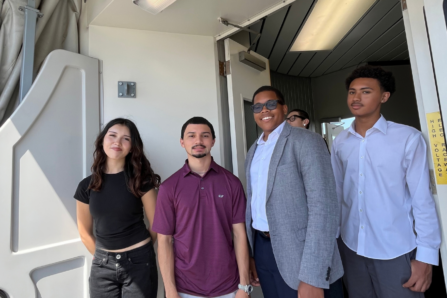
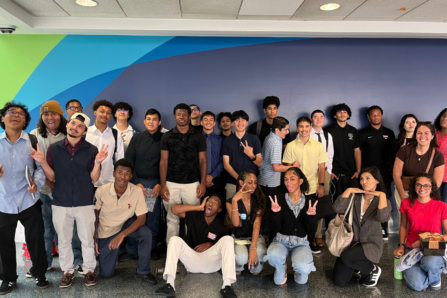
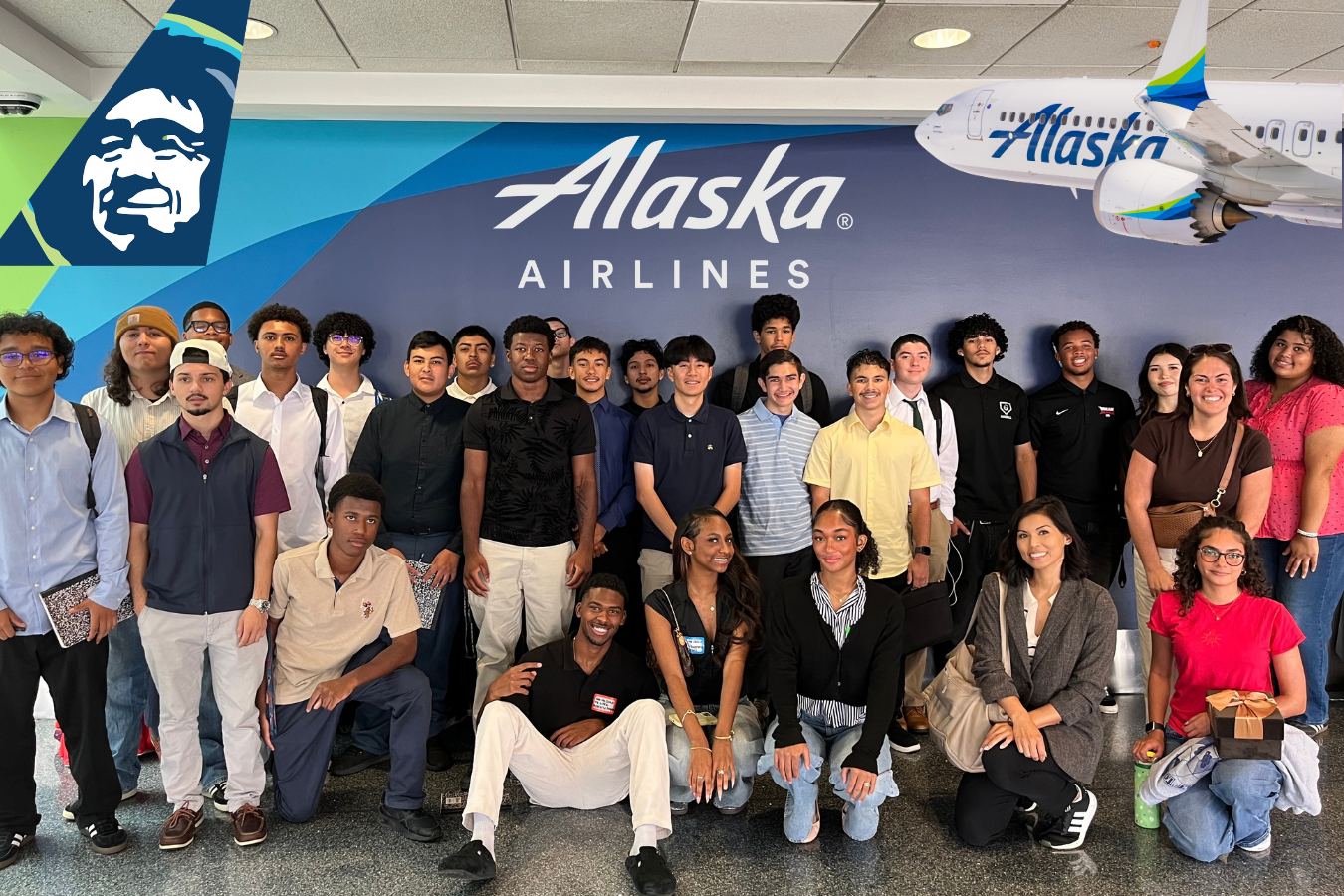
Earlier this month, WEP students from Da Vinci Communications, Da Vinci Design, and Da Vinci Science put that approach into action during an immersive visit to Alaska Airlines at Los Angeles International Airport (LAX). The experience gave students a behind-the-scenes look at the many careers and responsibilities that come together to keep an airline operating.
The field trip was organized by Cal Biddle, Alaska Airlines Airline Operations Director, who introduced students to five key areas of airline operations: On Ramp, Inflight, Flight Operations, Customer Service Agents (CSA), and Maintenance.
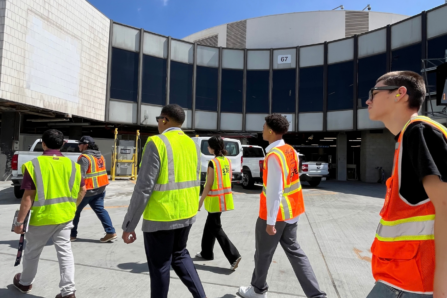
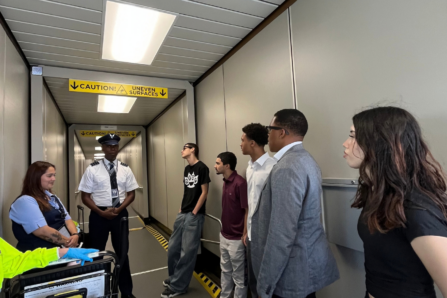
The experience began with students arriving at LAX and receiving Alaska Airlines boarding passes that allowed them to proceed through TSA and access the airline’s operations area. Following an introduction to the day’s activities, students were divided into groups of five and rotated through different career areas, giving them opportunities to speak directly with professionals and see their work firsthand.
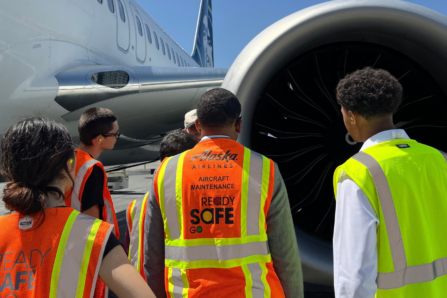
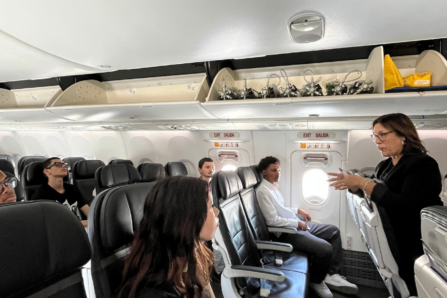
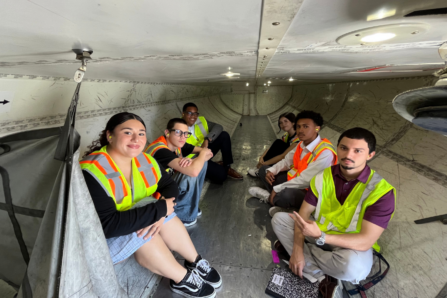
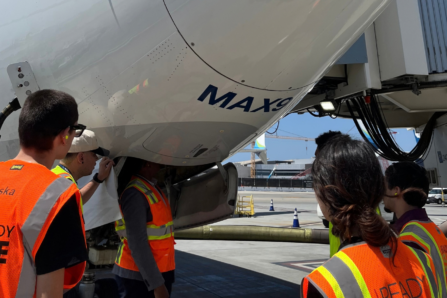
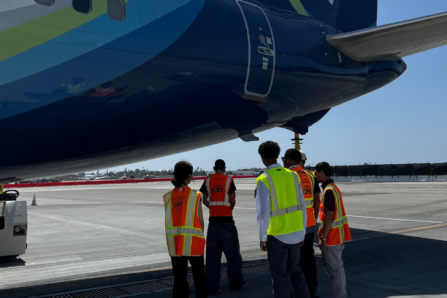
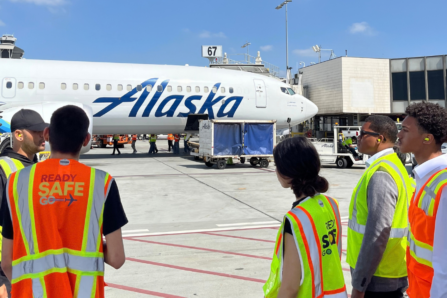
During the On Ramp portion of the experience, students went outside to observe aircraft arriving and departing, explore the area beneath the aircraft where luggage is stored, and step inside a plane to see parts of the operation up close. The experience provided a behind-the-scenes look at the coordination required to prepare aircraft and passengers for each flight.
Students also explored the Inflight career pathway, speaking with flight attendants and supervisors about their experiences working in the industry. They asked questions about the role, heard stories from professionals, and learned more about what happens beyond what passengers typically see during a flight.
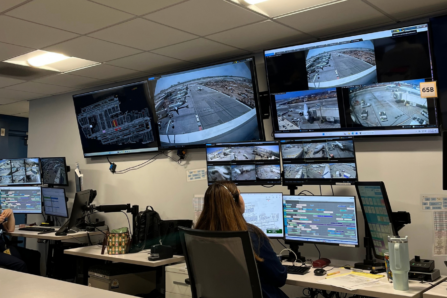
In Flight Operations, students gained insight into the roles responsible for coordinating aircraft movements and supporting safe and efficient departures and arrivals. They also had the opportunity to visit an aircraft cockpit and speak with an Alaska Airlines Chief Pilot about the responsibilities and career path associated with the position.
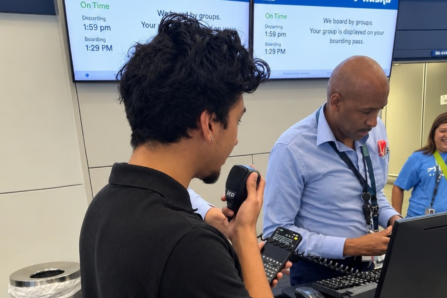
The Customer Service experience highlighted another side of aviation. Students learned about the work involved in assisting passengers, including helping rebook travelers when flights are canceled or significantly delayed. Seeing these responsibilities firsthand demonstrated how many different skills and career interests are needed to keep an airline operating and support passengers throughout their travel experience.
“Now I understand that there may be many things happening behind the scenes that customers do not see,” shared one student.
Throughout the day, students also participated in Q&A sessions with Alaska Airlines employees, giving them an opportunity to ask questions about both the industry and the employees’ personal career journeys. Several employees described the family-like culture they have built with their colleagues, sharing how much they value working in an environment where coworkers support one another.
For students, seeing these roles firsthand can expand their understanding of what a career in an industry can look like—and introduce possibilities they may not have considered before.
The conversations also reinforced an important lesson about career exploration: career paths do not always follow a straight line. Alaska Airlines employees shared how the company provides opportunities to move between roles and departments, allowing employees to explore different areas of the organization while continuing to learn and grow.
One student also came away with a broader understanding of what it takes to be successful in the workplace: “Many things can lead you to be successful. Not only having a job but knowing how to act around others and communicate with them. Having a good work ethic and wanting to learn more about your job."
One Customer Service Manager shared an example of this flexibility, explaining how they had previously transferred to another department, discovered that the role was not the right fit, and were able to return to their previous department. For students, experiences like this offer a practical reminder that choosing a career is not necessarily about identifying a perfect match at the outset. It can be a process of trying, learning, adjusting, and discovering new possibilities along the way.
Many students initially enter aviation-related experiences thinking primarily about becoming a commercial pilot or flight attendant. The Alaska Airlines field trip broadened that perspective by introducing students to the numerous career pathways within the industry, from operations and maintenance to customer service and flight coordination.
“Before, I didn't know there were so many different careers that you could have in the airline industry. All I knew was that there were pilots and flight attendants," said another student.
This type of exploration is central to WEP’s focus on career mapping. With 25 students participating in the program this year, WEP gives students opportunities to identify their interests, learn about different industries, and explore potential career pathways through work-based experiences and internships. Part of Da Vinci’s career education curriculum, WEP launched last year as an elective course for juniors and seniors focused on building job-readiness skills and providing early professional exposure. Grounded in purpose finding and human agency, social capital, skills development, and work-based learning, WEP helps students build the knowledge, skills, relationships, and confidence to make informed choices about their futures beyond high school.
The Alaska Airlines experience also reflects a larger commitment across Da Vinci Schools to career-connected learning. Whether students are exploring careers through WEP, engaging with industry professionals, participating in internships, or taking part in Career Learning Days, these experiences help students understand that career readiness involves more than preparing for a particular job. It means developing an awareness of their interests and strengths, building professional skills and relationships, and learning how to navigate the many pathways available to them.
For WEP students, the Alaska Airlines visit offered more than a field trip. It gave them an opportunity to step into a professional environment, ask questions, meet people working in a range of roles, and see firsthand how an industry operates. Most importantly, it gave students another opportunity to imagine what their own professional journey might look like—and to recognize that there may be more possibilities than they initially thought.