Stronger Together: First-Ever Community Conversation Celebrates the Wiseburn + Da Vinci TK–12 Pathway
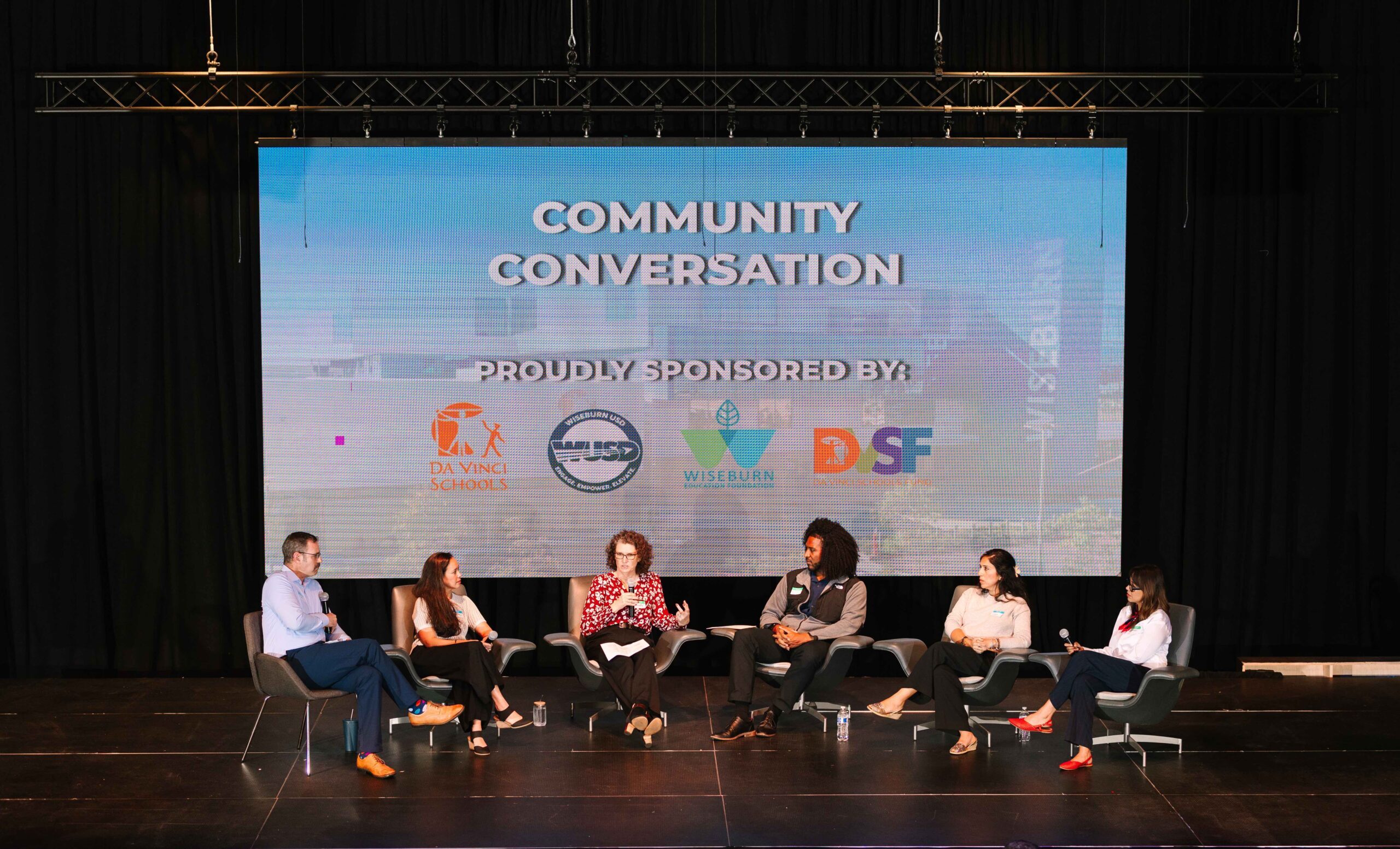
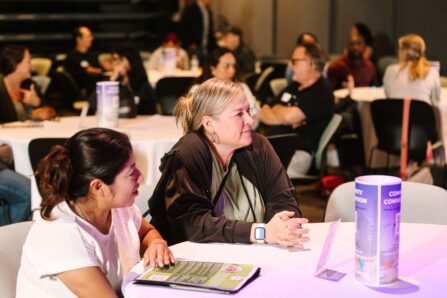
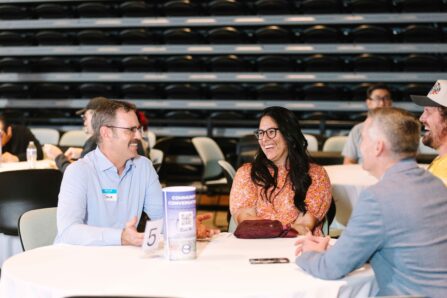
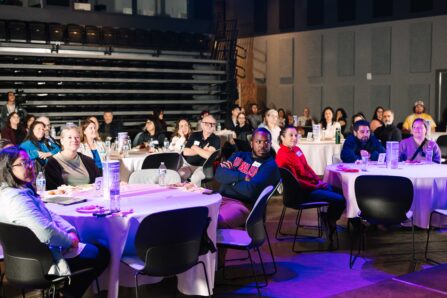
On February 2, Wiseburn families came together for the first-ever Community Conversation focused on the seamless pathway from TK through high school and beyond.
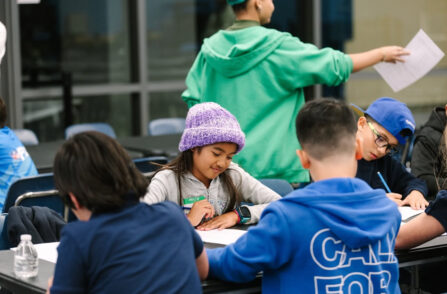
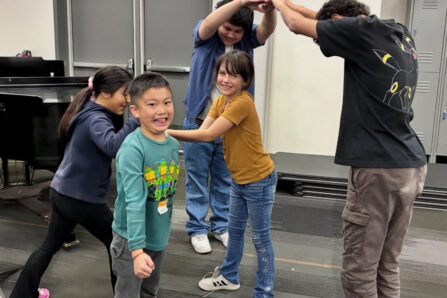
While parents participated in a panel discussion and meet-and-greet with leaders and trustees from Wiseburn and Da Vinci, students engaged in hands-on activities and interactive learning experiences of their own, making it a meaningful night for the whole family.
Designed especially for our younger Wiseburn families, the event created space to build shared understanding, explore the opportunities available at Da Vinci high schools, and strengthen connections across our community.
The Community Conversation was co-sponsored by Da Vinci Schools, Wiseburn USD, the Wiseburn Education Foundation, and the Da Vinci Schools Fund.
>> Listen to the full Community Conversation here
(panel discussion starts at 14:42)
From district and charter leaders to board trustees, parents, and educators, one theme rang throughout the evening: Wiseburn and Da Vinci are deeply connected — and proud of the pathway they’ve built together in support of students and families.
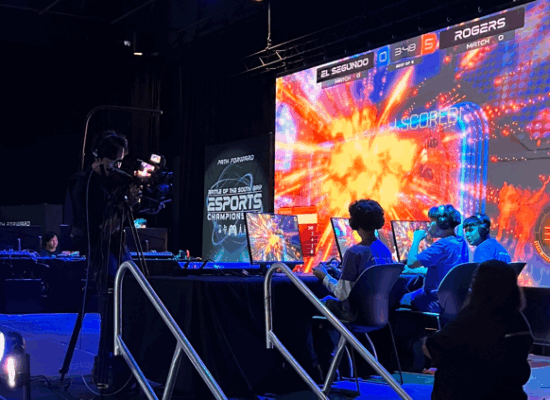
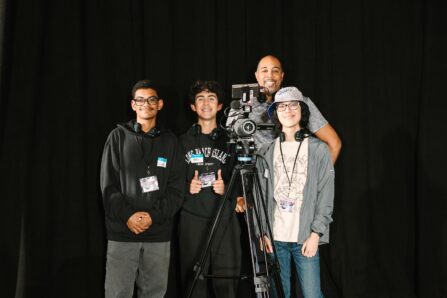
The conversation was recorded by students in Da Vinci Communications’ Media Production pathway and edited by pathway coordinator Tangier Clarke, showcasing not only the strength of the partnership, but the talent and professionalism of our students and staff behind the scenes.
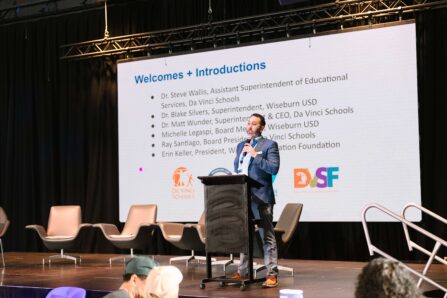
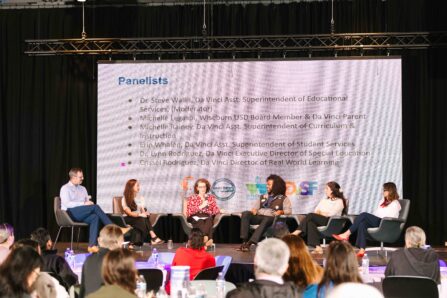
The panel was moderated by Dr. Steve Wallis, Assistant Superintendent of Educational Services, and a longtime member of the Wiseburn community. Together, panelists reflected on what makes the Wiseburn + Da Vinci partnership unique and how the pathway supports students at every stage.
A Seamless TK–12 Pathway by Design
Wiseburn Superintendent Dr. Blake Silvers welcomed families and spoke about the strength of the Wiseburn Da Vinci partnership.
“Since 2009, Wiseburn and Da Vinci have partnered to expand what’s possible for our students—to create a seamless pathway from TK through high school graduation and beyond. The Wiseburn Da Vinci pathway is thriving today.”
Dr. Silvers shared that the impact of the partnership is also personal.
“My own daughters attended Wiseburn schools and graduated from Da Vinci. I saw firsthand how this model challenged them academically, built real-world skills, and prepared them for college and life. Like many Da Vinci graduates, they were accepted into top universities—and they are thriving today.”
He encouraged families to see the evening as the beginning of their own journey.
“Imagine what this pathway could look like for your child. What Wiseburn and Da Vinci have built together is a shared commitment to modern, meaningful, and student-centered learning—and we’re proud of the outcomes we continue to see.”
“These Are Wiseburn’s High Schools”
Da Vinci Superintendent and CEO Dr. Matthew Wunder reflected on the shared history, purpose, and vision that make this partnership so meaningful.
“These high schools were born out of Wiseburn,” he shared. “These are Wiseburn’s high schools.”
He spoke about Da Vinci’s founding vision: to reimagine the traditional high school model and design schools that prepare students for the future, not the past.
“What I want for my own child is to be happy, live a purposeful life, be part of a safe and meaningful community, and be prepared to thrive independently. That’s the promise we are working toward. And it's not just a hope for one child — it's the commitment we make to every Da Vinci student.”
Small Schools by Design
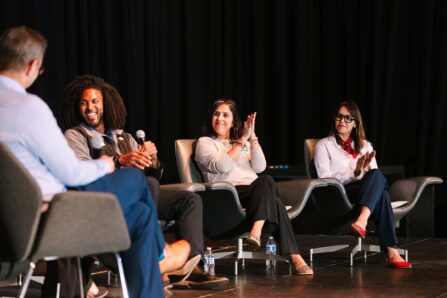
Following welcome remarks from the boards, six panelists shared their personal “why”—why they chose to enter the field of education and what continues to fuel their passion. They spoke candidly about growing up in immigrant families, working to make learning accessible for all students, and creating equitable, empowering experiences so that every student can thrive, no matter their circumstances.
The first question focused on one of Da Vinci’s defining features: its intentionally small school model. Panelists reflected on why small schools matter — how they foster meaningful relationships, deeper engagement, and a strong sense of belonging — and why Da Vinci made the deliberate choice to design schools this way.
“One of the foundational principles at Da Vinci is that we want to offer the best of both worlds,” shared Michelle Rainey, Assistant Superintendent of Curriculum and Instruction and a Da Vinci co-founder.
“We want to create small school environments where every student feels known, seen, and heard. That’s really exceptional in high school — especially in our area. Often, kids attend schools with 1,500 to 2,500 students, where it’s easy to feel anonymous and slip through the cracks. When students feel truly connected, the culture is more cohesive, negative behaviors drop, and that sense of community becomes foundational to who we are.”
Many high schools across the country are trying to create smaller learning communities but struggle to move away from the large, traditional model. Da Vinci brings this approach to life, combining close-knit environments with CIF athletics, performing arts, a world-class robotics program, and much more — all available to every student.
Rainey highlighted another tangible example: counseling ratios.
“At all of our high schools, the counselor ratio is about 1 to 171. The California average is about 1 to 464. When a student is struggling socially, emotionally, or academically, quick intervention matters.”
Advisory — which spans all four years of high school — was another highlight. Students remain with the same advisory teacher and a multi-grade cohort, building mentorship and strong relationships that last throughout their high school experience.
As Erin Whalen, Assistant Superintendent of Student Services, shared, “Belonging is a prerequisite for deep learning. It’s also a prerequisite for rigor — because when you truly know students, you can intervene quickly, create structure, and support them at the highest levels.”
Project-Based Learning: Rigorous and Real-World
The conversation also highlighted Da Vinci’s project-based learning model.
Panelist Michelle Legaspi, a Wiseburn Board Trustee, educator, and parent of two Da Vinci students, noted that while project-based learning can be challenging to implement well, it allows students to engage socially and makes learning more fun and authentic.
“There’s a perception that project-based learning means making crafty things instead of rigorous academics,” Rainey explained. “I want to assure you—that’s not the case.”
Da Vinci students engage in lectures, take notes, write essays, complete quizzes and state assessments. They also present to professional panels, publicly defend their learning, collaborate in teams, reflect deeply, and set goals for growth.
“They end the year with a Presentation of Learning that feels like defending a master’s thesis, ninth graders are asked to do this, and they do,” Rainey said.
Families heard how these experiences build not only strong academic foundations, but also critical thinking, collaboration, public speaking, and resilience.
Preparing Students for a Changing World
Crissel Rodriguez, Da Vinci’s Director of Real World Learning, discussed how Da Vinci keeps learning relevant in a rapidly changing world.
Through internships, industry advisory boards, fieldwork, and career-connected projects, students gain early exposure to professional pathways. They interact with industry professionals, receive authentic feedback, and begin to clarify their interests before college. Industry partners also advise teachers on curriculum to ensure classroom learning reflects workforce realities.
As one panelist shared, the goal is not just admission to college—but preparation for what comes next, including the ability to face challenges, seek feedback, and adapt.
Making Sure Students Get the Support They Need
Dr. Lynn Rodriguez, Da Vinci’s Executive Director of Special Education, emphasizes that belonging, personalized support, and meeting students where they are form the foundation of meaningful learning.
Students have access to a broad team of professionals dedicated to their well-being, including Da Vinci teachers and counselors, as well as outside mental health partners such as allcove, Hazel Health, Stepping Stones, and others. School counselors meet biweekly to collaborate and ensure students receive the coordinated support they need.
“We are working hard to normalize the full range of human emotion,” said Dr. Rodriguez. “We welcome students to come in with their bad days, their great days, and their sad days. When they are not their best selves, we have a community around them that sees them for who they truly are.”
A Community That Shows Up
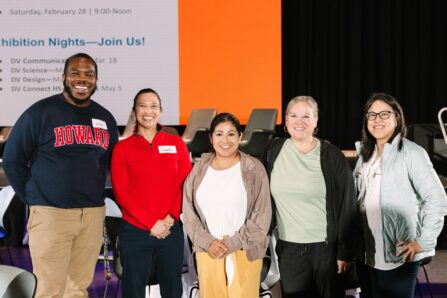
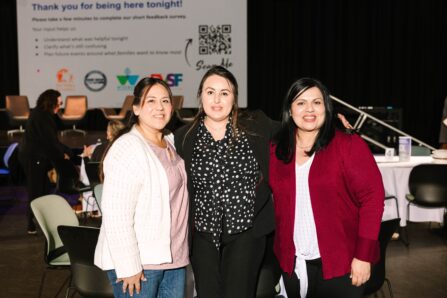
Da Vinci Schools Board President Ray Santiago reflected on his deep connection to the community and his pride in seeing families gathered together. Wiseburn Trustee Michelle Legaspi spoke as both a board member and Da Vinci parent, calling the WUSD + Da Vinci partnership one of Wiseburn’s proudest accomplishments: creating an exceptional in-district high school option for its families.
Wiseburn families left feeling inspired and informed:
- “We loved this presentation. We now have a very clear idea of what Da Vinci Schools offers. I feel prepared for when my daughter enters high school.”
- “This was a great event. It was very meaningful to hear everyone’s ‘why’ and parental stories about how Da Vinci prepares their students for college.”
- “It was a wonderful evening. It was great to be part of such an inspiring event.”
Even younger students shared their excitement:
- “I love Da Vinci so much. I can’t wait to go.”
- “I love that they build things—and that there’s band and drama.”
Community Feedback by the Numbers
The impact of the evening was also reflected in attendee survey results:
- 100% of respondents rated the Community Conversation as helpful (72% Very Helpful, 28% Helpful)
- 85.7% reported being very confident that Da Vinci prepares students for college in writing, rigor, and expectations
- 76.2% felt very confident Da Vinci would support their child academically, socially, and emotionally
- 100% said Da Vinci prepares students for the future (66.7% Extremely Well, 33.3% Well)
Looking Ahead
The February 2 Community Conversation was more than a presentation—it was a shared moment of pride and possibility. Families engaged, asked thoughtful questions, connected with one another, and deepened their understanding of the Wiseburn Da Vinci pathway from TK-12th grade and beyond.
As Dr. Silvers shared, the journey from TK through high school is intentional—and thriving.
And the conversation is just getting started.